From the cobblestone streets of medieval towns echoing with centuries-old folk songs to the grand plazas where art, food, and music converge in vibrant celebration, Europe’s cultural festivals weave together a living tapestry of history, creativity, and shared identity that spans the entire continent. Whether it’s the wild exuberance of Spain’s La Tomatina, where thousands gather to hurl ripe tomatoes under the sweltering August sun, the ethereal charm of Sweden’s midsummer celebrations with flower crowns and maypole dances, or the haunting elegance of Venice’s Carnival with its elaborate masks and gondola parades, each festival embodies the soul of its people and the evolution of their traditions. These events are more than fleeting moments of entertainment; they are expressions of community, continuity, and joy that transport both locals and visitors into a world where the past and present dance in harmony. To wander through these festivities is to trace the cultural DNA of Europe itself — an immersive, sensory journey through taste, sound, color, and ritual that tells stories older than the very cities that host them. Every European cultural festival, whether it celebrates music, harvest, religion, or rebellion, reflects the resilience and shared humanity that make the continent so endlessly fascinating. Experiencing at least one of these gatherings in a lifetime means stepping into a rhythm that transcends borders and centuries, reminding us that culture is not a relic to be preserved behind glass but a living force to be felt, tasted, sung, and celebrated in the company of others.
Exploring Europe’s cultural festivals is like taking a grand voyage through time and emotion, where each celebration reveals the spirit of its region and the story of its people through rituals that have endured, evolved, and captured the imagination of travelers from across the globe. In Scotland, the Edinburgh Festival Fringe transforms the historic capital into a dazzling stage for art and performance, blurring the line between audience and actor in a creative explosion that redefines the meaning of community. Streets that are centuries old become open-air theaters, and every café, church, and courtyard hosts spontaneous artistry that typifies the city’s boundless imagination.
Further south, Germany’s Oktoberfest in Munich unites millions each autumn around wooden tables lined with pretzels, sausages, and frothy beer steins, offering a jubilant portrait of Bavarian culture. What began in the early 19th century as a royal wedding celebration has evolved into one of the world’s largest folk festivals, where traditional music, local attire, and hearty laughter create a spirit of fellowship that draws people from every corner of the globe.
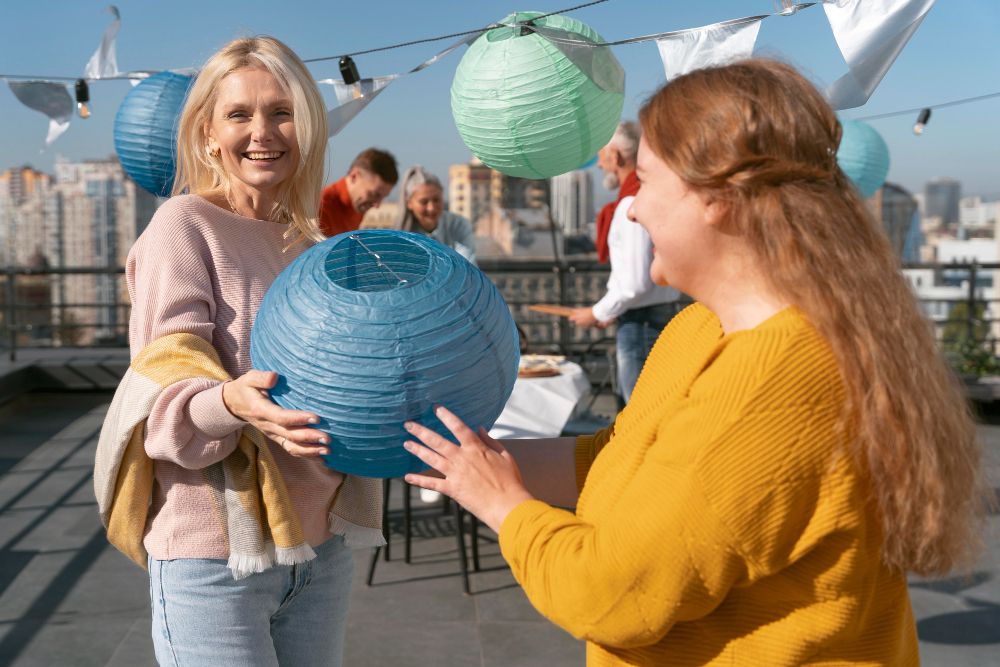
Head west to Portugal, and the Festa de São João in Porto brings a carnival-like energy to midsummer nights. Locals flood the streets with balloons, paper lanterns, and toy hammers, while grilled sardines sizzle along the riverbank and fireworks paint the night sky. The festival honors Saint John the Baptist, but it is equally a tribute to life, renewal, and joy — a vivid expression of community that captures the warmth of Portuguese culture.
In Hungary, the Sziget Festival offers a modern contrast, standing as one of Europe’s most eclectic and progressive music and arts gatherings. Set on an island in the heart of Budapest, Sziget blends global pop culture with local artistic expression, offering everything from international performers to immersive art installations. It celebrates freedom, creativity, and unity — proof that Europe’s festivals are not confined to the past but actively shaping the present and inspiring future generations.
And then, of course, there is Venice Carnival, perhaps the most romantic of all. Every February, the lagoon city transforms into a dreamscape of masks, costumes, and music, echoing the grandeur of Renaissance pageantry. Beneath the ornate façades and glittering chandeliers, the festival resurrects a sense of mystery and opulence lost to time. To wander through its masked parades along misty canals is to witness Venice not as a museum piece, but as a living, breathing artwork.
Meanwhile, in Spain, La Tomatina turns the small Valencian town of Buñol into a battlefield of tomatoes, laughter, and camaraderie. The event’s origins remain delightfully playful, a spontaneous act that grew into a legendary celebration of chaos and joy. It’s an exhilarating reminder that not all cultural traditions need solemnity — sometimes, they thrive on pure, unrestrained fun.
Equally unforgettable are the midsummer festivals of Scandinavia, where sunlight barely fades and the sense of shared wonder is palpable. In Sweden, people crown their heads with wildflowers, dance around maypoles, and feast on pickled herring and new potatoes, celebrating the magic of light after a long winter. It is a time to reconnect with nature, heritage, and one another — values that lie at the heart of European culture.
Each of these moments — whether drenched in tomato juice, candlelight, or summer sunshine — reveals something essential about the continent: the way its people transform tradition into shared joy. To experience Europe’s cultural festivals is to travel through centuries of history wrapped in the laughter and music of the present. They teach us that celebration itself is a language — one that speaks of resilience, creativity, and an enduring belief in coming together despite our differences.
These festivals are not simply destinations on an itinerary; they are living invitations to taste the essence of European identity, to join the dance of voices and instruments echoing through narrow streets, and to carry away a sense of wonder that lingers long after the last note fades. To experience them is to understand that the true heart of Europe beats loudest when its people gather to celebrate who they are and everything that connects them across borders and generations.