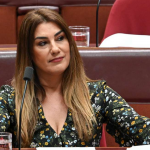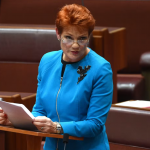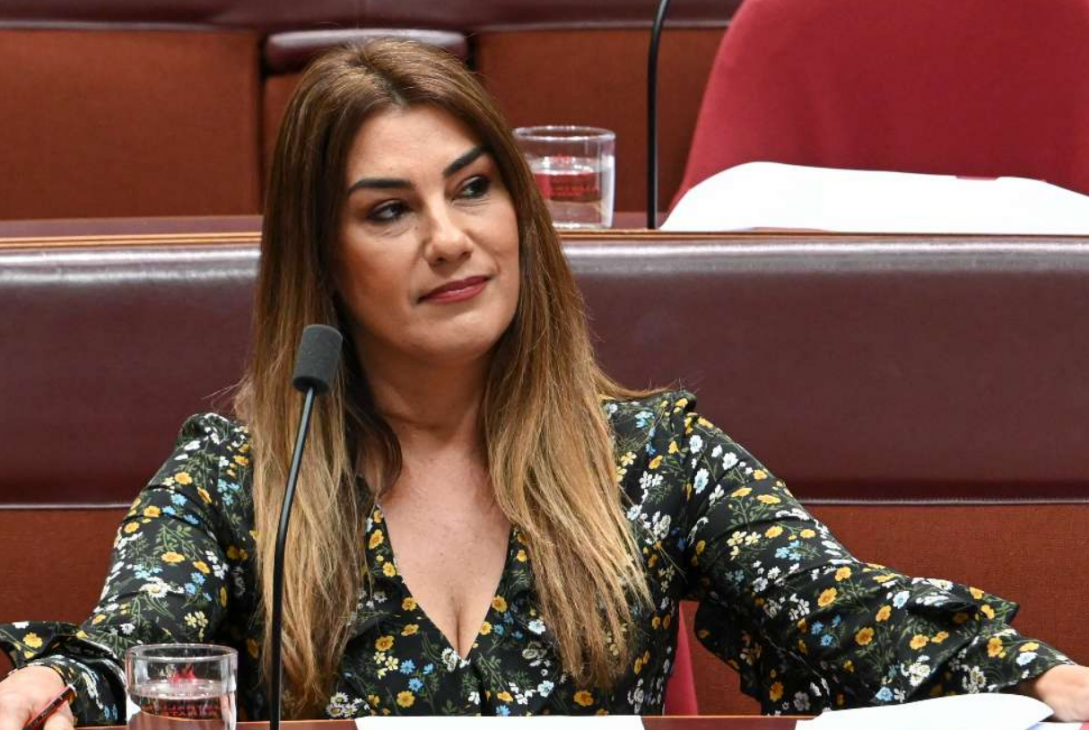
In modern Australian politics, few figures generate as much discussion, admiration, criticism, and media attention as Lidia Thorpe. Known for her uncompromising activism and confrontational political style, Thorpe has become one of the most recognizable Indigenous voices in the country. To supporters, she represents courage and refusal to compromise on Indigenous rights. To critics, she symbolizes political division and constant confrontation. Either way, she has become impossible to ignore.
Born and raised in Victoria, Thorpe comes from a long line of Indigenous activists. Her political identity was shaped not only by formal politics but also by grassroots advocacy, protest movements, and community organizing. Before entering parliament, she was already deeply involved in campaigns surrounding Indigenous sovereignty, land rights, deaths in custody, and social inequality affecting Aboriginal communities.
Unlike many politicians who enter public life through party structures or legal careers, Thorpe built her public reputation through activism. This background continues to define how she approaches politics today. She often treats parliament not as a place for cautious compromise, but as a platform to force national attention toward issues she believes Australia has historically ignored or minimized.
Thorpe first gained national prominence after becoming the first Aboriginal senator from Victoria. Her election itself carried symbolic importance, particularly for Indigenous representation within Australian federal politics. However, what truly distinguished her was not simply her identity, but her willingness to openly challenge political traditions and institutions.
Throughout her career, Thorpe consistently argued that Australia has failed to properly confront the realities of colonization and its ongoing consequences. She frequently speaks about systemic inequality, Indigenous deaths in custody, economic disadvantage, intergenerational trauma, and cultural erasure. Her speeches rarely aim to comfort audiences. Instead, they are designed to provoke reflection and discomfort.
One reason Thorpe became such a polarizing figure is her rejection of symbolic politics without structural change. She has repeatedly criticized governments for focusing on gestures of reconciliation while failing to address deeper institutional issues. This perspective became especially visible during national debates around constitutional recognition and Indigenous policy reform.
Thorpe’s communication style also sets her apart from traditional politicians. Many public figures carefully moderate their language to avoid controversy. Thorpe often does the opposite. She speaks emotionally, directly, and sometimes aggressively, particularly when discussing historical injustice or state power. Supporters see this as authenticity. Critics argue it alienates moderate voters and undermines productive dialogue.
Media coverage surrounding Thorpe is frequently intense because she creates moments that dominate political discussion. Whether through speeches, protests, parliamentary confrontations, or public statements, she consistently attracts national attention. Some observers view this visibility as strategic activism designed to keep Indigenous issues impossible to ignore.
At the same time, Thorpe’s critics often accuse her of prioritizing symbolic confrontation over practical policymaking. Conservative commentators in particular argue that her rhetoric deepens social division rather than building consensus. Others claim her style reflects growing frustration among marginalized communities who feel polite political language has produced insufficient change.
Thorpe’s political evolution has also been unusual. Although she initially worked within the Australian Greens, tensions eventually emerged regarding political strategy and ideological differences. Her later decision to sit independently reinforced her image as someone unwilling to fully align herself with institutional party structures.
Another reason Thorpe resonates with many younger Australians is her willingness to discuss issues through the lens of identity, colonial history, and systemic power. These themes increasingly shape political conversations globally, especially among younger generations more engaged with social justice movements. Thorpe represents this shift within Australian politics.
Importantly, Thorpe’s influence extends beyond parliament itself. She is part of a broader cultural transformation regarding how Australia discusses Indigenous history and national identity. Questions that were once politically peripheral — including sovereignty, treaty negotiations, and institutional racism — now occupy central space in public debate. Thorpe did not create these conversations alone, but she amplified them significantly.
Her supporters often describe her as fearless because she continues expressing controversial positions despite enormous backlash. Online criticism, hostile media coverage, and political attacks have become regular parts of her public life. Yet these conflicts frequently strengthen her image among supporters, who interpret criticism as evidence she challenges powerful systems effectively.
Even people who strongly disagree with Thorpe often acknowledge that she changed the tone of Australian political discourse. She helped move discussions about Indigenous justice from symbolic representation toward deeper questions about power, law, and national identity.
As Australia continues debating its future relationship with Indigenous communities, Thorpe’s role will likely remain significant. She represents a form of politics that refuses gradualism and demands structural change immediately rather than incrementally.
Whether history ultimately views her as divisive or transformative, Lidia Thorpe already established herself as one of the defining political voices of contemporary Australia.